







Explore our sites:
Skip to Content


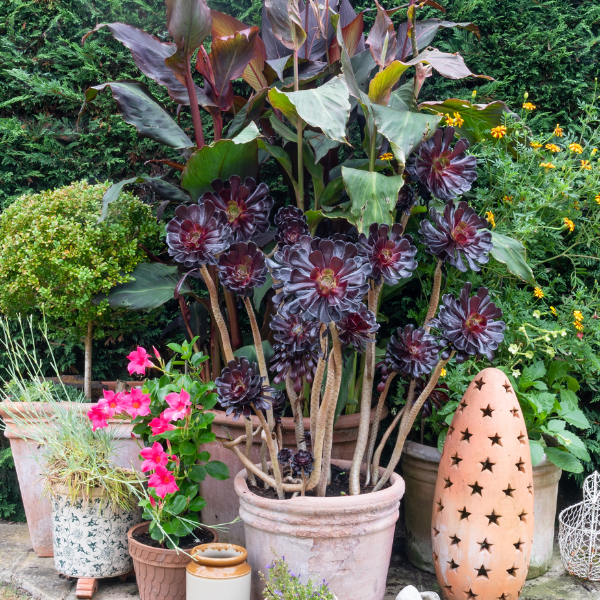
By the time August comes around, the garden has usually given us its biggest display of the year. Borders are full of colour, hanging baskets have been flowering for weeks, and containers have worked hard all summer.
It's also the time when some gardens can start to look a little tired. Plants that were covered in flowers a few weeks ago begin to slow down, containers become a little leggy, and after a spell of warm weather, everything can look as though it's ready for a rest.
The good news is that a few simple jobs now can make all the difference. With a little time here and there, you can keep your garden looking fresh well into autumn while giving it a great start for the seasons ahead.
Absolutely. It's one of the easiest jobs you can do at this time of year, but it's also one of the most rewarding. By removing faded flowers, you're encouraging many plants to keep producing new blooms instead of putting their energy into making seed.
Geraniums, petunias, begonias, dahlias and roses all benefit from regular deadheading. While you're working your way around the garden, it's also worth removing any yellowing leaves or damaged stems. It tidies everything up and helps plants stay healthy for longer.
You don't need to spend hours doing it either. Just a few minutes every couple of days is usually enough to keep borders, pots and hanging baskets looking their best.
August is more about tidying than pruning. If you've got early flowering perennials such as hardy geraniums, lady's mantle or catmint, giving them a light trim once they've finished flowering can encourage fresh new growth and sometimes even another flush of flowers before autumn arrives.
There's no need for anything too drastic though. Most shrubs are better left until the right time of year, so for now it's simply a case of removing faded flower stems and shaping plants that have become a little untidy over the summer.
They certainly can, and it's surprising how much difference a little attention makes.
Start by removing anything that's finished flowering and trim back any plants that have become straggly. Give the compost a good soak, add a liquid feed and you'll often find containers perk up again within a week or two.
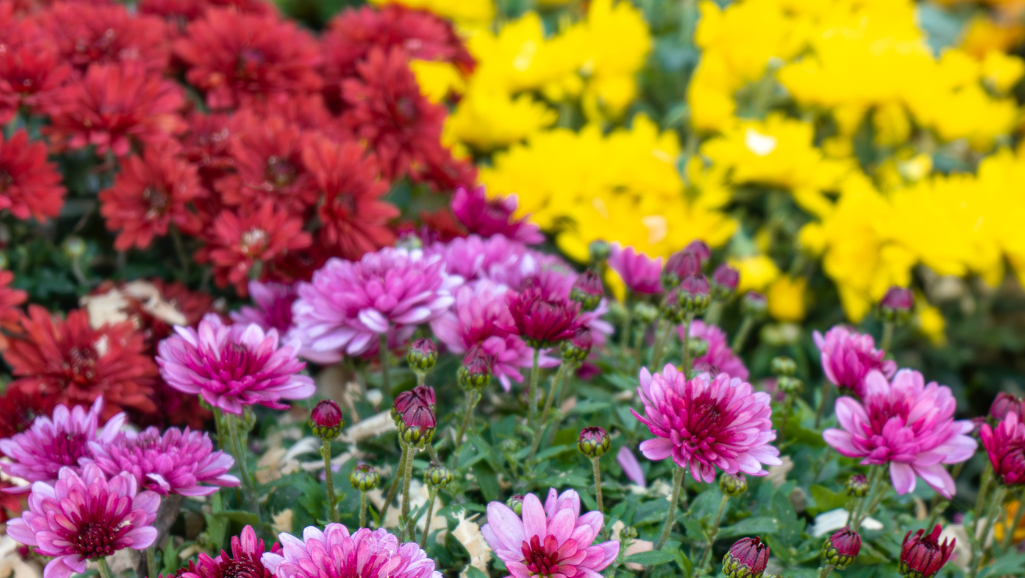
If there are gaps, don't be afraid to add a few fresh plants. Late summer is a lovely time for chrysanthemums, asters, cyclamen and ornamental grasses, all of which will keep displays looking colourful well into autumn. Mixing these with plants that are still performing well is an easy way to give pots and containers a completely fresh look without starting again.
The weather in the Borders can be quite mixed in August. Some years we're reaching for the watering can every day, while other years the rain does most of the work for us.
If we do have a dry spell, it's better to water thoroughly rather than little and often. Giving plants a proper soak encourages their roots to grow deeper into the soil, making them much more resilient if warm weather continues.
Containers are always the first to dry out, so they're worth checking regularly. Watering early in the morning or later in the evening also helps reduce evaporation, ensuring more of the water reaches the roots where it's needed most.
If you've got bedding plants or containers that are still flowering, then yes. They've been working hard for several months, and a regular liquid feed will help keep them producing flowers for as long as possible.
Borders can benefit from a little attention too. Adding a layer of compost or well-rotted organic matter around plants helps the soil retain moisture, suppresses weeds and gradually improves the soil as it breaks down.
It's one of those jobs that doesn't just benefit the garden now but pays off again next spring.
Not at all. In fact, August is one of my favourite times to start planning ahead.
As summer flowers begin to fade, it's easier to spot where a little extra colour or structure would make a difference. Autumn bedding, hardy perennials and ornamental grasses can all help keep the garden looking interesting long after the height of summer has passed.
It's also worth thinking about spring bulbs. They won't need planting just yet, but deciding where you'd like daffodils, tulips or alliums to appear next year makes the job much easier when the time comes.
I always think gardening is easier when you keep on top of the little jobs rather than leaving everything until later.
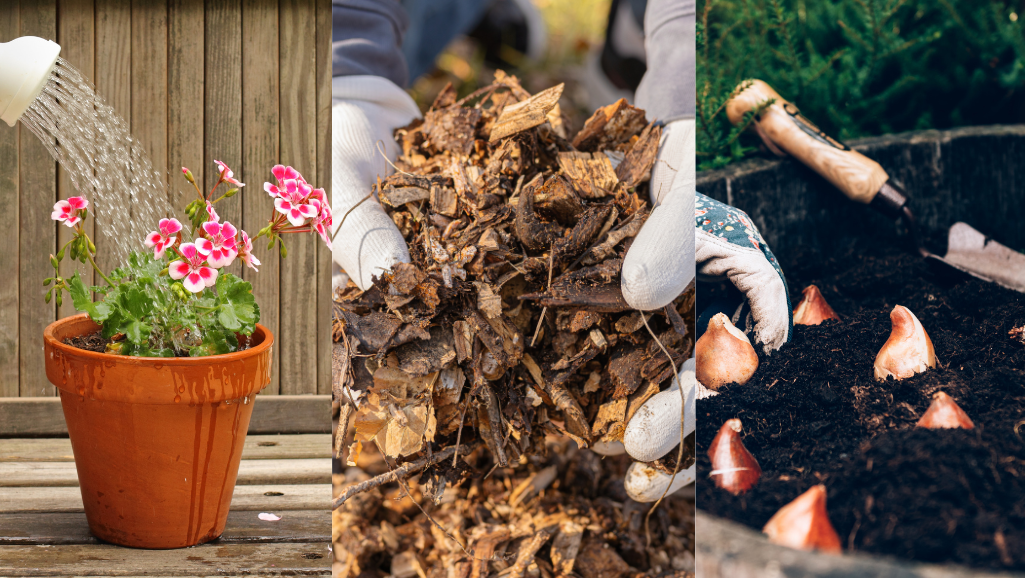
A bit of deadheading, pulling out young weeds before they spread, watering when it's needed and giving containers an occasional feed all helps stop bigger jobs from building up. None of them take very long, but together they keep the whole garden looking healthy and colourful for much longer.
One of the lovely things about August is that the garden starts to change rather than simply coming to an end. The bright colours of summer gradually give way to richer autumn tones; grasses begin to shine and there's still plenty to enjoy outside.
With a little care over the next few weeks, your garden can carry on looking beautiful well into autumn. And if you're looking for a few fresh plants, some autumn colour, or simply a bit of advice about what your garden needs next, pop in and have a chat with us. We'd be delighted to help.
Happy gardening,
Nicola
Did you enjoy this blog? Yes! Why not sign up to our newsletter to be the first to know when our next blog from the garden centre team is live.